J&J Cichlid Addiction
Taiwan Reef
Taiwan Reef
Couldn't load pickup availability
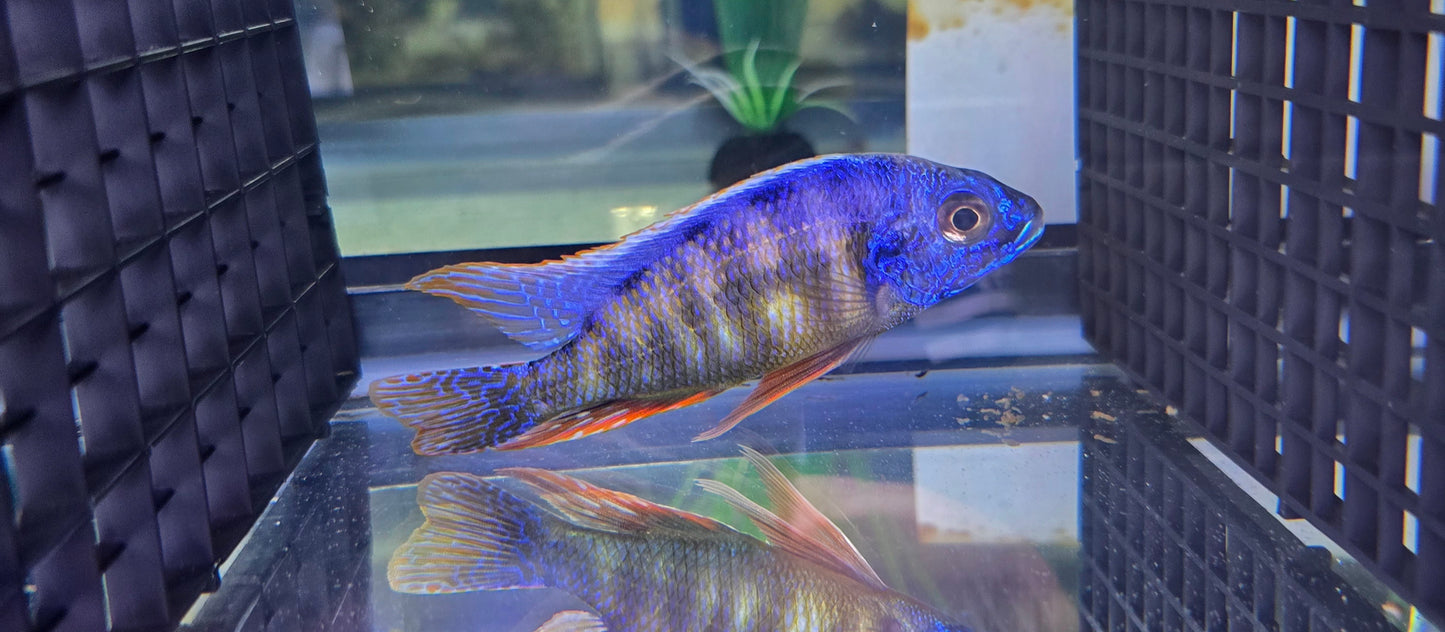
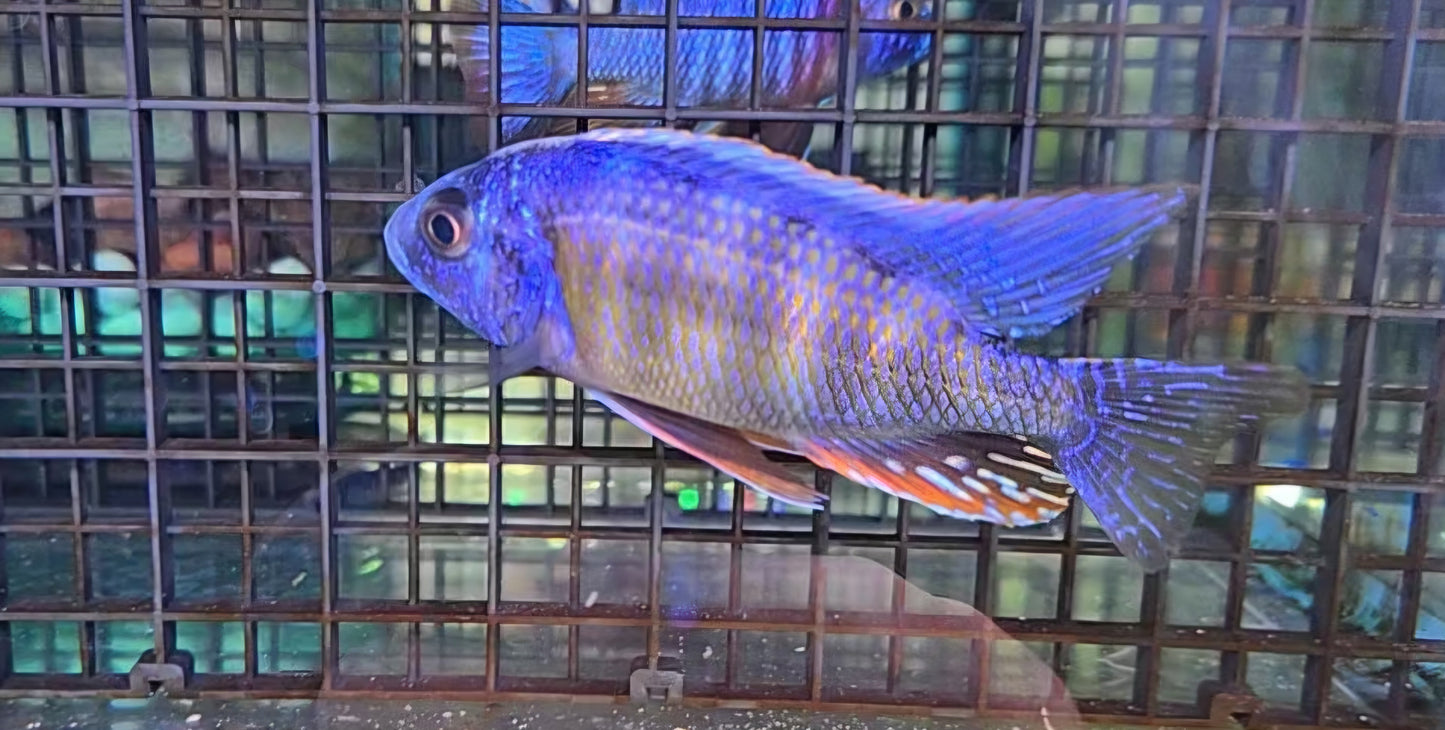
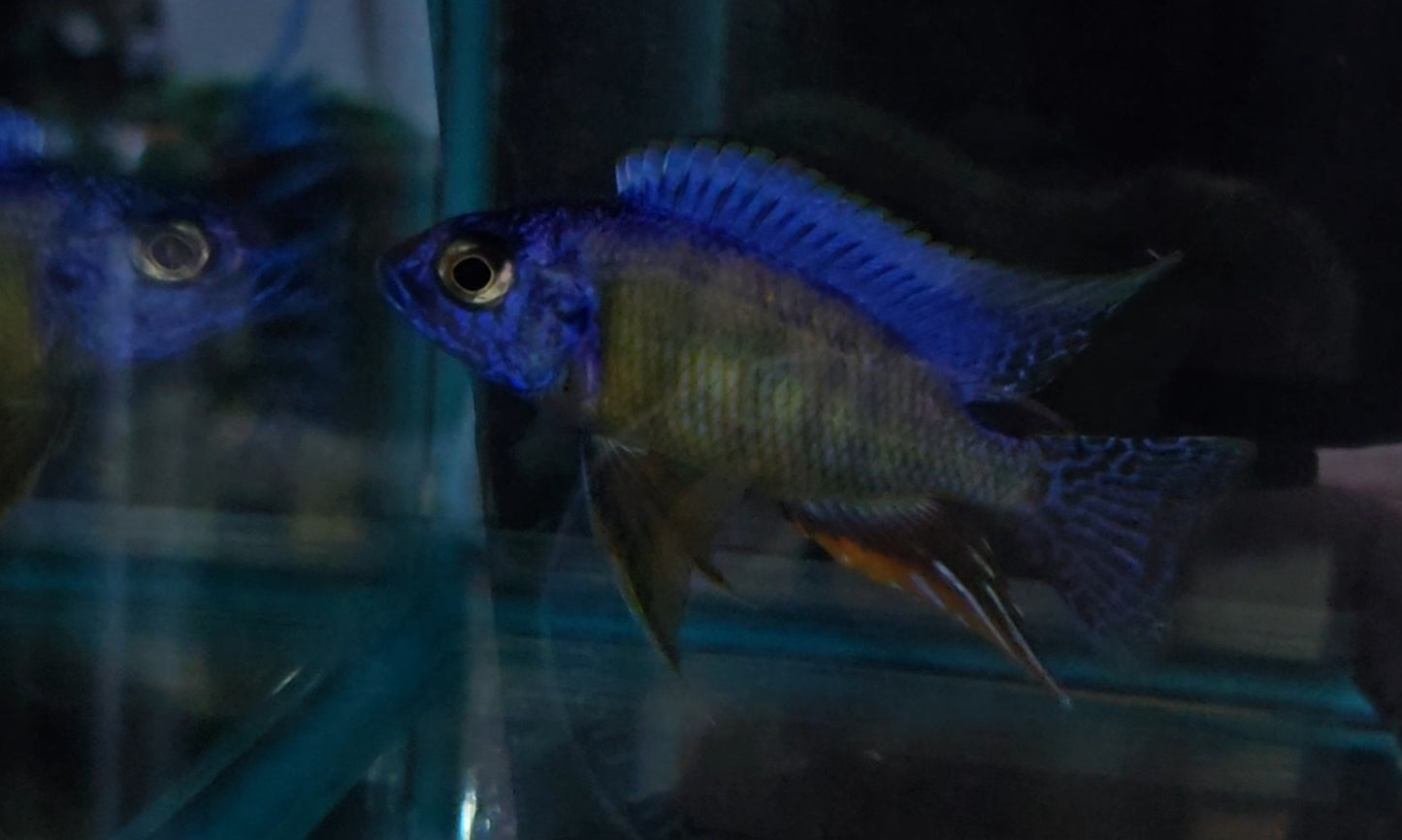
Taiwan Reef Cichlid (Protomelas sp. 'Steveni Taiwan') is an active, moderately aggressive Lake Malawi haplochromine requiring a minimum 55-75 gallon tank, hard/alkaline water (pH 7.5–8.6, 76–82°F), and a rocky setup with open swimming space. These omnivores thrive on high-quality pellets, spirulina, and frozen foods.
Tank Setup & Environment
Tank Size: 55 gallons is the minimum, but 75+ gallons is preferred for a group to accommodate their active swimming behavior and size.
Environment: Use sandy substrate with plenty of rockwork, caves, and crevices to create territories and hiding spots.
Water Parameters: Maintain pH 7.5–8.6, temperature 76°F–82°F, and high water hardness (10–20 dGH).
Filtration: Strong filtration is necessary because they are sensitive to poor water quality and high nitrates.
Diet & Feeding
Diet: Omnivorous, requiring a balance of protein and greens. Offer high-quality cichlid pellets or flakes.
Supplements: Feed frozen/live foods such as brine shrimp, Daphnia, or bloodworms, along with spirulina or blanched vegetables.
Frequency: Feed once or twice daily, only what they can consume in a few minutes.
Temperament & Compatibility
Temperament: Generally peaceful with similar-sized "Hap" cichlids but can be territorial.
Tank Mates: Ideal mates include other African cichlids from Lake Malawi, such as Peacocks (Aulonocara) Placidochromis electra, and other Protomelas species.
Social Structure: Best kept in groups with one male to several females to reduce aggression.
Health & Maintenance
Water Changes: Perform weekly water changes of 20-30% to maintain cleanliness.
Disease Prevention: Prone to Malawi bloat if overfed or fed improper diet; high fiber and clean water are key to prevention.
Breeding
Behavior: Mouthbrooder. Females will carry eggs in their mouth for 3–4 weeks.
Process: Breeding usually starts when they reach about 7 cm (around 3 inches).
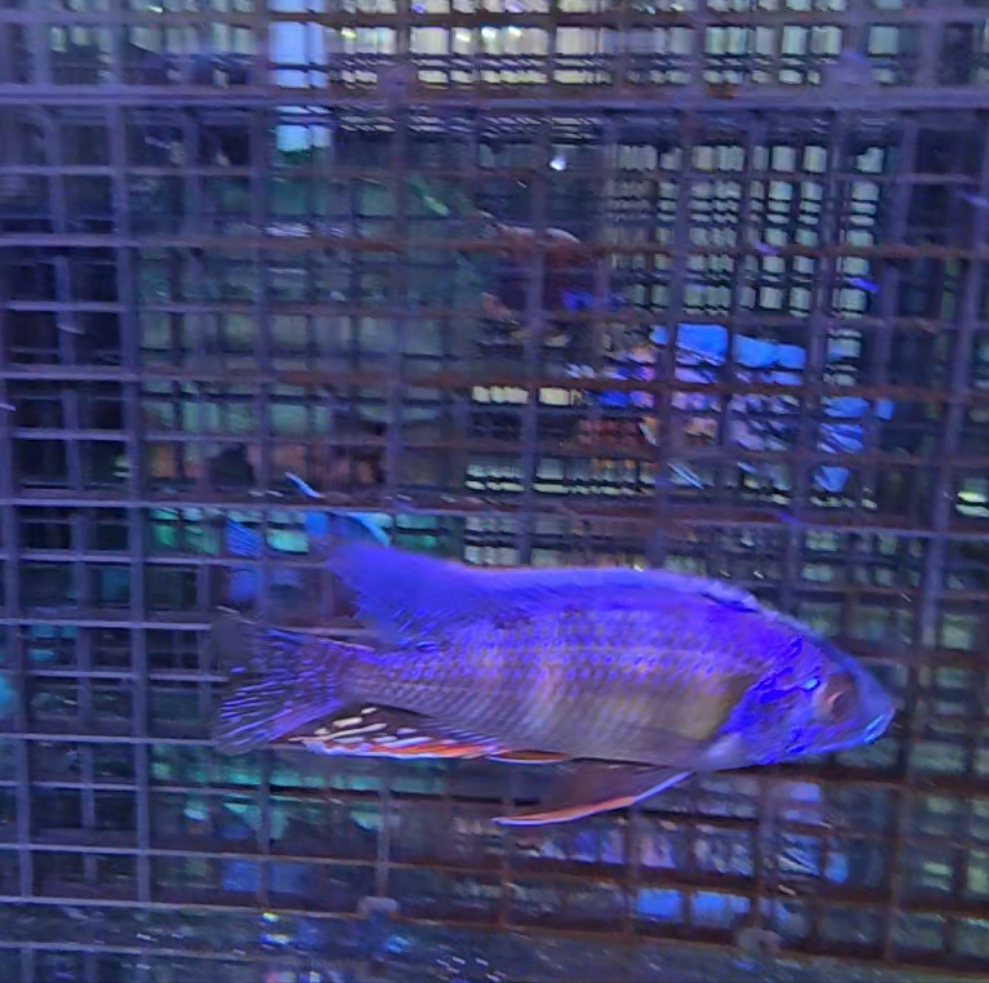
* Pictures are of previous male sales *
Share